Discovering the Culture Behind Fine Red Wine

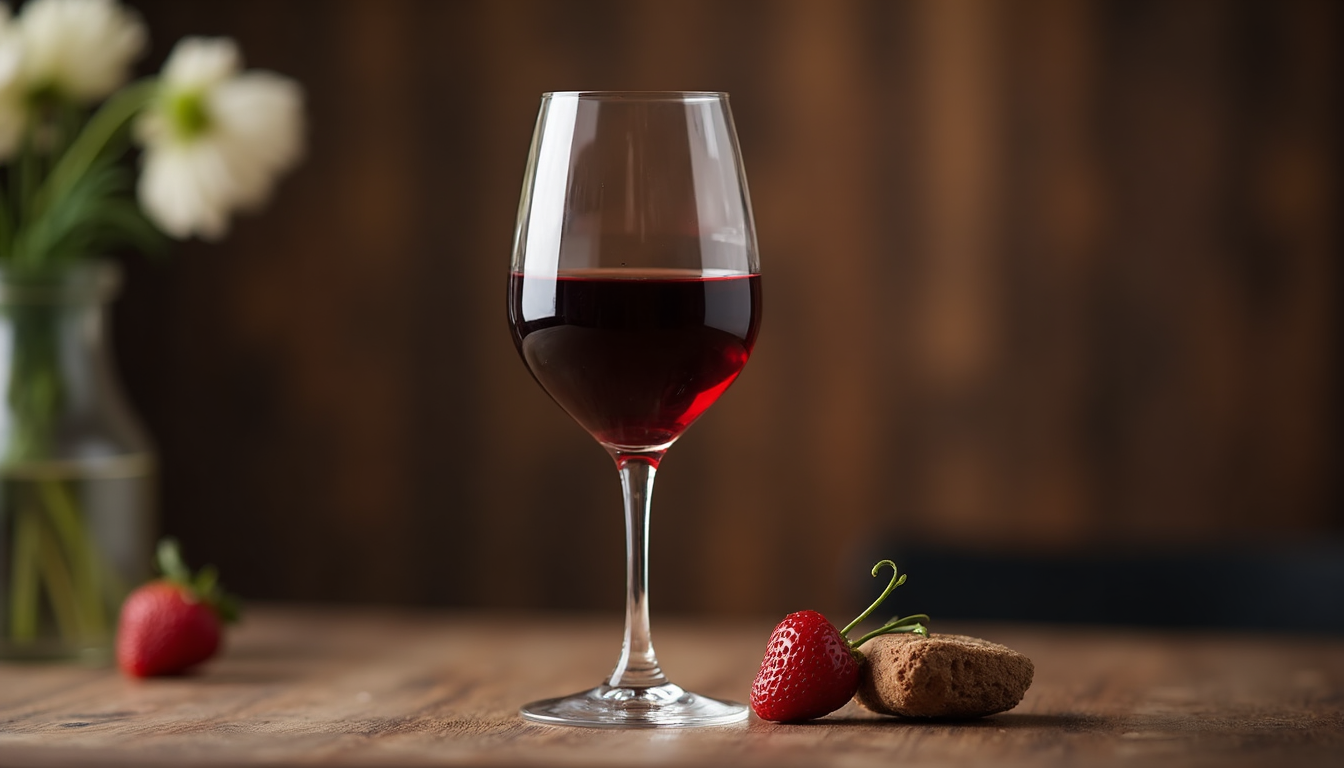
Fine red wine is more than just a drink; it embodies a rich tapestry of history, tradition, and culture. From the vineyards of Bordeaux to the rolling hills of Tuscany, the world of red wine is steeped in stories that reflect the regions and people who produce it. This blog post will explore the cultural significance of fine red wine, its production processes, and how it connects people across the globe.

The Historical Roots of Red Wine
The history of red wine dates back thousands of years. Archaeological evidence suggests that wine production began around 6000 BC in the region now known as Georgia. The ancient Greeks and Romans played a significant role in the spread of wine culture throughout Europe. They not only cultivated vineyards but also established wine as an integral part of social and religious rituals.
Ancient Civilizations and Wine
Egyptians: Wine was often associated with the gods and used in religious ceremonies. The tombs of pharaohs contained jars of wine, signifying its importance in the afterlife.
Greeks: The Greeks celebrated Dionysus, the god of wine, with festivals that included music, dance, and, of course, wine drinking. They believed that wine was a gift from the gods and a means to connect with the divine.
Romans: The Romans expanded viticulture across their empire, introducing wine to regions like France and Spain. They developed techniques for aging and preserving wine, laying the groundwork for modern winemaking.
The Art of Winemaking
Winemaking is a meticulous process that combines science and artistry. The journey from grape to glass involves several key steps:
1. Harvesting
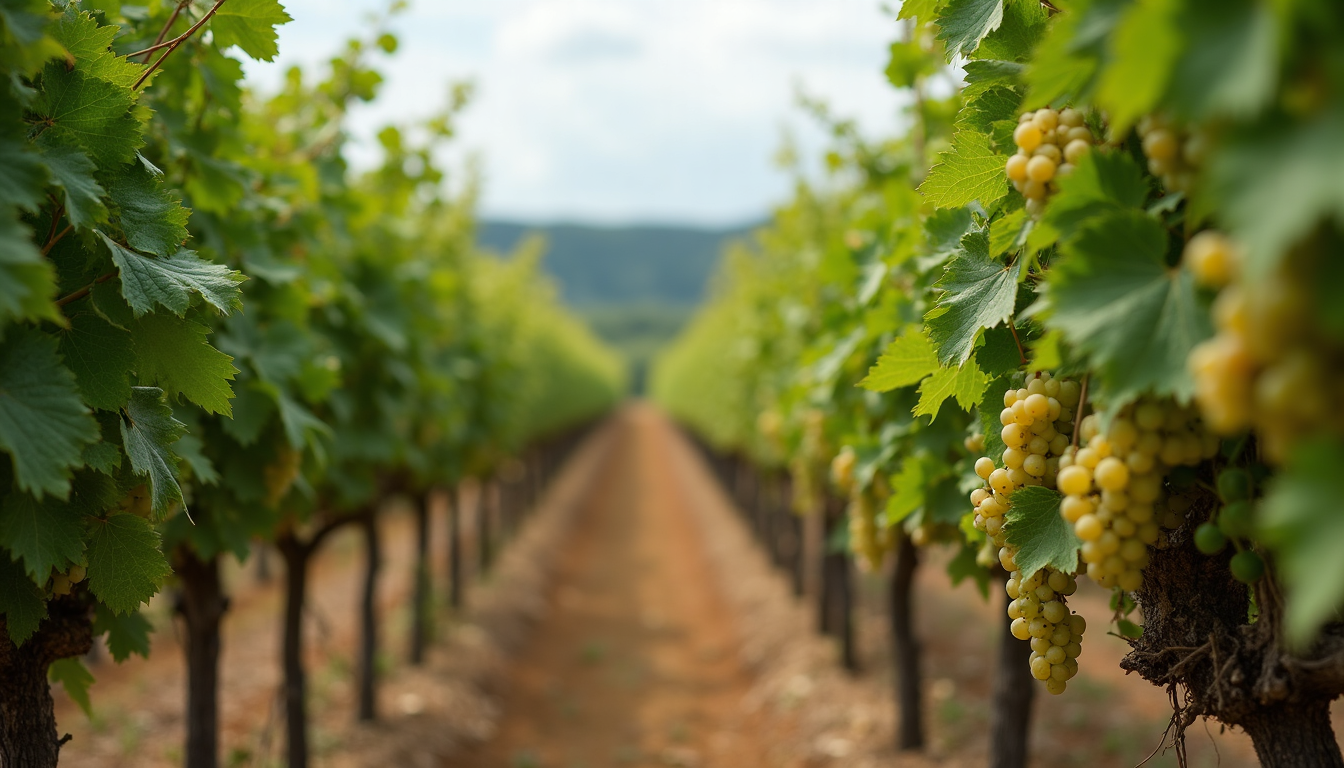
The quality of wine begins in the vineyard. Grapes are typically harvested in the fall when they reach optimal ripeness. This process can be done by hand or machine, depending on the vineyard's size and philosophy.
2. Fermentation
Once harvested, grapes are crushed to release their juice. Yeast is then added to initiate fermentation, where sugars in the grape juice convert into alcohol. This process can take several weeks and is crucial for developing the wine's flavor profile.
3. Aging
After fermentation, wine is aged in barrels or tanks. This aging process allows the wine to develop complexity and character. The type of barrel used can significantly influence the wine's taste, with oak barrels imparting unique flavors.
4. Bottling
Once aged, the wine is filtered and bottled. Some wines may undergo further aging in the bottle before they are released to the market.
The Cultural Significance of Red Wine
Red wine is often associated with celebration and connection. It plays a vital role in various cultural practices around the world.
Wine and Food Pairing
In many cultures, wine is an essential part of the dining experience. Pairing wine with food enhances flavors and creates a more enjoyable meal. For example:
Italian Cuisine: A robust Chianti pairs beautifully with rich pasta dishes, enhancing the flavors of both the wine and the food.
French Cuisine: A full-bodied Bordeaux complements the richness of duck or lamb, making for a memorable dining experience.
Wine in Celebrations
Red wine is often present during significant life events, such as weddings, anniversaries, and holidays. It serves as a symbol of joy and togetherness, fostering connections among family and friends.
Regional Traditions
Different regions have unique traditions surrounding wine. For instance, in Spain, the tradition of "tapas" encourages sharing small plates of food accompanied by a glass of red wine, promoting social interaction and community.
The Global Impact of Fine Red Wine
Fine red wine is not just a local phenomenon; it has a global presence that influences economies, cultures, and lifestyles.
Economic Contributions
The wine industry contributes significantly to the economies of many countries. For example, France's wine industry generates billions in revenue and provides employment to thousands. Wine tourism has also become a vital part of many regions' economies, attracting visitors eager to explore vineyards and taste local wines.
Cultural Exchange
Wine serves as a medium for cultural exchange. As people travel and explore different regions, they share their wine traditions, leading to a greater appreciation for diverse cultures. Wine festivals, tastings, and events promote this exchange, allowing enthusiasts to learn about various winemaking techniques and styles.
The Future of Fine Red Wine
As we look to the future, the world of fine red wine faces both challenges and opportunities. Climate change, for instance, poses a significant threat to vineyards worldwide. Rising temperatures can affect grape quality and yield, prompting winemakers to adapt their practices.
Sustainable Practices
Many wineries are adopting sustainable practices to mitigate environmental impact. This includes organic farming, water conservation, and reducing carbon footprints. These efforts not only benefit the planet but also appeal to environmentally conscious consumers.
Innovation in Winemaking
Advancements in technology are also shaping the future of winemaking. Techniques such as precision viticulture and data analytics allow winemakers to monitor vineyard conditions more effectively, leading to improved grape quality and wine consistency.
Conclusion
Fine red wine is a reflection of culture, history, and community. It connects people across the globe, celebrating life's moments and fostering relationships. As we continue to explore the world of wine, we must appreciate the traditions and innovations that shape this beloved beverage. Whether you are a seasoned connoisseur or a casual drinker, understanding the culture behind fine red wine enhances the experience of savoring each glass. So, the next time you pour a glass of red wine, take a moment to appreciate the rich history and cultural significance it represents. Cheers!
Comments